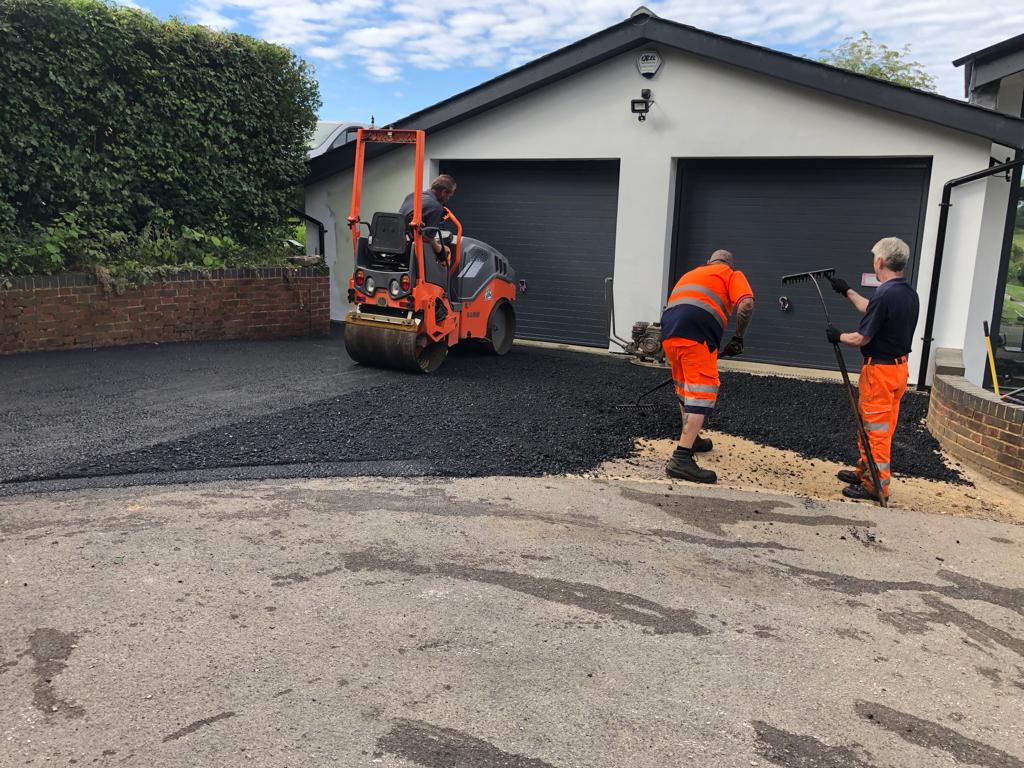
Successful road construction begins well before asphalt or bitumen is laid. One of the most critical early stages is grading. In Langwarrin, where roads must withstand regular traffic loads and changing weather conditions, proper grading provides the foundation that determines how well a road performs over time.
At Langwarrin Road Tech, grading is treated as a precision process that supports long-lasting, high-performance road surfaces rather than a simple preparatory step.
What Grading Involves in Road Construction
Grading is the process of shaping and levelling the ground to create a stable, even platform for road construction. This includes establishing correct heights, slopes, and contours so that the finished road surface performs as intended.
Effective grading ensures the road base is evenly compacted, properly aligned, and designed to manage water runoff. Without this preparation, even high-quality asphalt can fail prematurely due to movement, water retention, or uneven load distribution.
Why Grading Is Essential for Structural Stability
A road surface is only as strong as what lies beneath it. Grading creates uniform support across the entire roadway, reducing the risk of weak points that can lead to cracking, rutting, or surface deformation.
In Langwarrin, roads are exposed to repeated vehicle loads, including service vehicles and local traffic. Proper grading distributes these loads evenly through the base layers, helping the asphalt or bitumen surface maintain its shape and strength over time.
Managing Drainage Through Accurate Grading
Water is one of the leading causes of road deterioration. If water is allowed to pool or penetrate beneath the surface, it can weaken the base and lead to rapid surface failure.
Correct grading establishes controlled drainage paths that direct water away from the road structure. By forming the right crossfalls and levels, water runoff is managed efficiently, reducing moisture exposure and protecting the integrity of the pavement layers.
Improving Surface Performance and Longevity
Grading directly influences how smoothly the final road surface performs. A well-graded base allows asphalt to be laid at a consistent thickness, which improves ride quality and reduces stress on the surface.
When grading is overlooked or rushed, uneven thickness can occur, increasing the likelihood of early wear. Thorough grading helps extend the lifespan of the road by supporting uniform compaction and consistent surface behaviour.
The Value of Professional Grading Expertise
Accurate grading requires experience, technical knowledge, and attention to detail. Factors such as soil conditions, intended road use, and local environmental influences must all be considered before construction begins.
Langwarrin Road Tech approaches grading as a critical engineering stage, carefully preparing each site to ensure the road surface performs reliably under local conditions. This level of preparation reduces future maintenance risks and supports durable construction outcomes.
Conclusion
Grading is a fundamental step in road construction that directly affects stability, drainage, and long-term performance. By creating a properly shaped and compacted foundation, grading sets the stage for asphalt and bitumen surfaces to perform as intended.
For road construction projects in Langwarrin, Langwarrin Road Tech provides professional grading and surfacing services designed to deliver dependable, long-lasting results. Contact our team to discuss how correct grading can support the success of your next road construction project.
Call us on: 03 9068 7895
Click here to find out more about Langwarrin Road Tech
Click here to complete our contact form and see how we can help with your road needs.